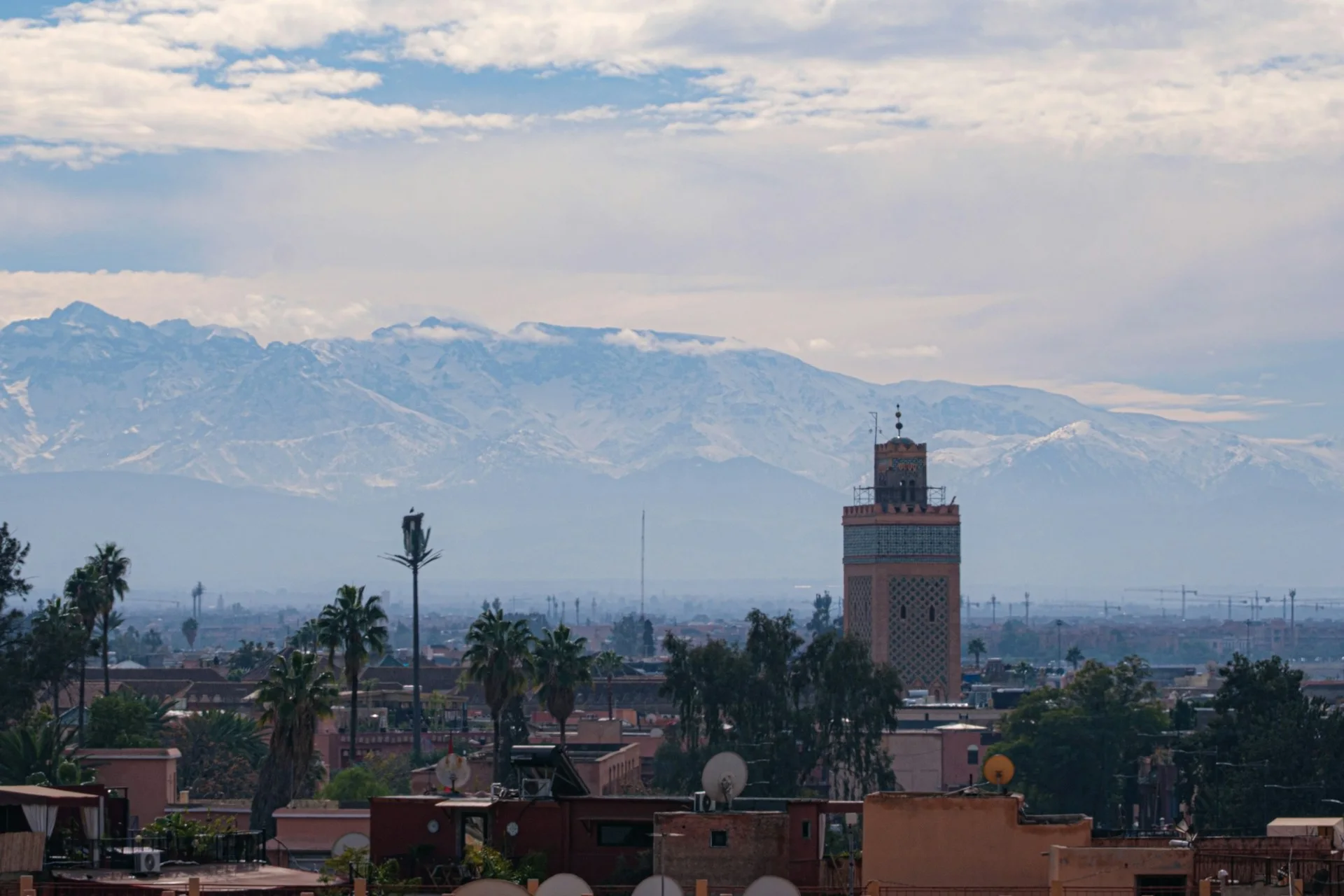
Choosing the best time to visit Morocco is not as simple as picking one perfect month. Morocco stretches from Mediterranean and Atlantic coastlines to the Atlas Mountains and the edge of the Sahara, so weather conditions can be very different depending on where your journey takes you.
A traveler spending a week between Marrakech, the mountains and Merzouga has different seasonal considerations from someone planning a summer holiday in Essaouira or a winter city break in Fes. The best time for your trip therefore depends on your route, the experiences you want and how comfortable you are with heat, cold and changing weather.
For travelers planning a classic Morocco itinerary that combines cities, mountain scenery and the Sahara Desert, spring and autumn are often the most balanced seasons. They generally avoid the strongest summer heat while providing comfortable conditions for exploring many parts of the country.
This guide explains what each season is like and helps you decide when to travel based on the places you actually want to visit.
Quick Answer
When Is the Best Time to Go to Morocco?
Spring and autumn are excellent choices for many first-time visitors, particularly if your itinerary combines Marrakech, Fes, the Atlas Mountains and the Sahara. Summer can be a good choice for Atlantic coastal destinations but may be challenging in hot inland and desert areas. Winter offers another interesting option, especially for city sightseeing, but nights can be cold and mountain conditions require more preparation.
Plan Your Trip
In This Guide
1. What Is the Best Time to Visit Morocco?
For a broad trip around Morocco, the most comfortable periods are often spring and autumn. These seasons can provide a useful balance between the cooler winter months and the stronger heat found in many inland and southern areas during summer.
But that does not mean you should automatically avoid Morocco at other times of year. Morocco is a year-round destination when the itinerary is matched to the season. Coastal destinations benefit from the influence of the Atlantic, mountain areas have their own weather patterns, and the desert requires different planning from cities such as Marrakech or Casablanca.
Instead of asking only "What is the best month for Morocco?", it is more useful to ask "What is the best season for my route?"
2. Visiting Morocco in Spring
Spring is one of the most appealing periods for travelers who want to experience several regions in a single trip. Days are generally more comfortable for sightseeing than during the height of summer, while landscapes can be especially attractive after the wetter winter period.
This is a good season for walking through Marrakech, exploring the historic streets of Fes, crossing the Atlas Mountains and continuing toward the desert. Morocco's official tourism guidance also identifies spring as one of the preferred seasons for visiting the Sahara.
Mountain weather can still change quickly, particularly at higher elevations, so travelers planning hikes should check local conditions rather than assuming that warm weather in Marrakech means identical conditions in the Atlas.
Spring is especially suitable for:
- • Multi-city Morocco itineraries
- • Marrakech and Fes sightseeing
- • Sahara Desert journeys
- • Scenic drives through the Atlas Mountains
- • Travelers who prefer to avoid peak summer heat
3. Visiting Morocco in Summer
Summer in Morocco requires more careful route planning. Inland cities and areas south of the High Atlas can experience intense heat, particularly during the hottest part of the day. Long sightseeing days and desert journeys may therefore feel more demanding.
The coast is a different story. Atlantic breezes help moderate conditions in destinations such as Essaouira, Agadir and other coastal areas. This makes summer a reasonable time for travelers whose trip is focused more on the ocean than on long desert excursions.
If you visit Marrakech or other hot inland destinations in summer, organize outdoor sightseeing for the morning and later afternoon, allow time to rest during the hottest hours, stay hydrated and choose accommodation appropriate for the season.
Important: Summer is not automatically a bad time to visit Morocco. It simply makes your choice of destination and daily schedule more important.
4. Visiting Morocco in Autumn
Autumn is another excellent period for a varied Morocco itinerary. As the strongest summer heat begins to ease, exploring inland cities and traveling toward the desert generally becomes more comfortable.
Like spring, autumn is particularly attractive for travelers who want to combine cultural sightseeing with a Sahara experience. Morocco's official tourism guidance recommends autumn as one of the preferred seasons for desert travel.
Early autumn can still feel hot in some southern and inland regions, while conditions become cooler later in the season. Travelers visiting several regions should therefore pack layers rather than relying on clothing for only one type of weather.
5. Visiting Morocco in Winter
Winter offers a different side of Morocco. Daytime sightseeing in cities can be pleasant, particularly for travelers who prefer cooler conditions, but mornings and evenings may feel cold.
The difference between regions becomes especially important in winter. Coastal areas are generally milder, while the Atlas Mountains can experience cold, wet conditions and snow at higher elevations.
Desert travelers should also be prepared for a large difference between daytime and nighttime comfort. A sunny desert afternoon does not mean the night will remain warm. Warm layers are important if your itinerary includes an overnight desert camp.
Winter can therefore be a rewarding season, but it requires more thoughtful packing than many first-time visitors expect.
6. Best Time to Visit Marrakech
Marrakech is an inland destination, so its seasonal changes are more noticeable than those of many coastal cities. Spring and autumn are popular choices because travelers can usually explore the medina, gardens and outdoor attractions without the strongest summer heat.
Summer visits are still possible, but your daily rhythm becomes important. Start sightseeing early, take a break during the hottest part of the afternoon and return outside later in the day.
Winter can also work well for Marrakech, especially if you enjoy cooler sightseeing weather. Bring warmer clothing for mornings and evenings rather than assuming that the city stays hot throughout the year.
Marrakech is also an excellent starting point for exploring the surrounding region. Browse our day trips from Marrakech if you want to combine the city with nearby landscapes and attractions.
7. Best Time to Visit Fes
Fes rewards travelers who spend time walking. Much of the experience involves exploring the historic medina, its narrow lanes, workshops, markets and monuments, so comfortable walking weather can make a significant difference.
Spring and autumn provide a useful balance for many visitors. Summer can be hot, while winter is cooler and can bring wetter conditions.
Fes is also a major departure point for routes toward the Middle Atlas and Merzouga. If the desert is part of your journey, consider conditions along the entire route rather than choosing your dates based only on the weather in Fes.
8. Best Time to Visit the Sahara Desert
The Sahara is one of the places where choosing the right season matters most. Morocco's official tourism office specifically identifies spring and autumn as the preferred periods for venturing into the Sahara.
Summer heat can make desert travel considerably more demanding, particularly during the middle of the day. Winter avoids that extreme heat, but travelers need to prepare for cold nights, especially when staying in desert camps.
For many first-time visitors who want camel rides, sunsets over the dunes and an overnight camp without the strongest seasonal extremes, spring and autumn provide a practical balance.
If Merzouga is one of the main reasons for your trip, our 3-day Marrakech to Merzouga tour shows how a desert journey can connect Marrakech, the Atlas Mountains, historic kasbah landscapes and the Erg Chebbi area.
9. Best Time to Visit the Atlas Mountains
The Atlas Mountains should be treated as a separate climate zone rather than an extension of Marrakech. Elevation changes temperatures significantly, and conditions can vary between valleys, passes and high mountain areas.
Spring can offer beautiful scenery, while summer may provide an escape from the stronger heat found at lower elevations. Autumn is another attractive period for mountain scenery and road trips.
Winter requires greater preparation. Snow can affect higher elevations and mountain passes, and conditions can change quickly. If your itinerary involves trekking or remote mountain roads, always check current local conditions before setting out.
For an easy introduction to mountain scenery from Marrakech, see our Atlas Mountains day trip from Marrakech.
10. Best Time to Visit Morocco's Coast
Morocco's Atlantic coast follows a different seasonal rhythm from inland cities and the Sahara. Ocean influence and sea breezes help moderate temperatures, making coastal destinations attractive during periods when inland areas may feel much hotter.
Essaouira is a good example. Its coastal setting gives it a different atmosphere from Marrakech even though the two destinations can easily be combined in one trip.
If you are traveling during summer and are concerned about inland heat, adding time on the Atlantic coast can create a more balanced itinerary.
Travelers based in Marrakech can explore the coast on our Essaouira day trip from Marrakech.
11. Morocco Month-by-Month Guide
Weather varies by region and from year to year, so a month-by-month guide should be used for general planning rather than as a precise forecast.
12. Traveling to Morocco During Ramadan
Ramadan is an important religious month in Morocco. Its dates change each year because the Islamic calendar follows a lunar cycle, so it is better to check the dates for your specific travel year rather than relying on an old calendar.
Tourists can travel during Ramadan, but the daily rhythm can feel different. Some businesses may adjust their opening hours, and activity often changes around sunset as people gather to break the fast.
Traveling during Ramadan can also offer visitors a meaningful perspective on Moroccan culture. Be respectful around people who are fasting, allow flexibility in your schedule and confirm opening times for places that are important to your itinerary.
13. Think About Weather, Crowds and Your Travel Style
Weather is important, but it should not be the only factor when choosing your dates. Your personal travel style matters too.
Some travelers prefer lively periods with more visitors and a busy atmosphere. Others would rather accept cooler or warmer weather in exchange for a quieter experience. Accommodation prices and availability can also vary around holidays and popular travel periods.
If your dates are flexible, decide which matters most to you: comfortable sightseeing weather, desert conditions, beach time, hiking, fewer visitors or a particular cultural experience. That will help you choose more effectively than following a generic "best month" recommendation.
14. What to Pack for Morocco by Season
Morocco's regional differences make layers useful throughout much of the year. Even when days are warm, evenings can be much cooler in the mountains and desert.
Spring & Autumn
Bring light daytime clothing, comfortable walking shoes, sun protection and layers for cooler mornings and evenings.
Summer
Choose lightweight, breathable clothing, sun protection and a reusable water bottle. Keep a light layer for breezy coastal evenings.
Winter
Pack warmer layers and a suitable jacket, especially for mornings, evenings, mountain routes and overnight desert stays.
Mountain Trips
Prepare for conditions at altitude rather than relying on the forecast for Marrakech or another low-elevation city.
15. How to Choose the Right Time for Your Morocco Trip
Start with your itinerary. If your priority is a classic journey combining Marrakech, Fes, the Atlas Mountains and Merzouga, spring or autumn will often provide the easiest balance.
If your main goal is the Atlantic coast, summer can make much more sense. If you enjoy cooler sightseeing weather and do not mind packing warmer clothes, winter may suit you. If your dates are fixed, adjust your route to the season instead of assuming that your trip cannot work.
The key is to remember that Morocco is not one climate. A well-planned itinerary takes advantage of the country's regional differences rather than treating them as a problem.
If you are still deciding how much time you need, our upcoming How Many Days in Morocco? guide will help you match your itinerary to the length of your trip.
Final Advice
Plan for the Regions, Not Just the Calendar
The best time to visit Morocco depends on what you want to experience. Spring and autumn are excellent all-round choices for many first-time visitors, particularly those combining cities, mountains and the Sahara. But summer can work beautifully on the coast, and winter can be rewarding with the right clothing and expectations.
Before you travel, check the current forecast for every major region on your route. Conditions in Marrakech, the Atlas Mountains and Merzouga can be very different even during the same trip.
Frequently Asked Questions
Best Time to Visit Morocco FAQ
What is the cheapest time of year to visit Morocco?
Travel costs can vary by destination, accommodation type, holidays and demand. Instead of choosing dates only by season, compare accommodation and transport prices for your specific itinerary. Traveling outside especially busy holiday periods can sometimes provide more choice and better value.
How far in advance should I plan a trip to Morocco?
For a flexible independent trip, you may not need to organize every detail far in advance. However, booking earlier is sensible if you are traveling during popular holiday periods, want a particular riad or desert camp, or have limited dates for a private tour.
Do I need different clothes for Marrakech and the Sahara?
Often, yes. Even when Marrakech is warm during the day, desert temperatures can feel very different after sunset. Layers are useful when an itinerary crosses cities, mountains and desert regions, especially in the cooler months.
Can weather affect the road from Marrakech to the Sahara?
Weather can occasionally affect travel conditions, particularly on mountain routes through the High Atlas. Conditions vary by season and from day to day, so current weather and road information should be checked when necessary before a long journey.
Should I choose my Morocco itinerary before choosing my travel dates?
If your dates are flexible, deciding what you most want to experience first can make planning easier. A Sahara-focused journey, an Atlantic coast holiday and a mountain trip have different seasonal considerations, so your preferred route can help determine the most suitable time to travel.
Continue Planning
More Morocco Travel Guides
Explore Morocco
Planning a Morocco Tour?
Discover private Morocco itineraries from Marrakech, Fes and Casablanca, including Sahara Desert journeys, imperial cities, mountain landscapes and traditional villages.
Explore Morocco Tour Packages