↗
Landscape Photography
Photograph winding mountain roads, rugged valleys, palm-filled oases and sweeping desert horizons.

Landscapes · Architecture · Culture
Follow winding mountain roads, discover blue-painted streets, photograph historic kasbahs and capture the changing light over the Sahara. Explore Morocco through places that inspire unforgettable photographs.
A Country Full of Photographic Possibilities
Morocco is a destination where the scenery can change dramatically within a single journey. A quiet blue alley in Chefchaouen feels worlds away from the towering dunes of Erg Chebbi, while the mountain curves of Dades Gorge offer a completely different visual experience from the intricate architecture of Fes.
Our Morocco photography tour ideas are designed for travelers who enjoy discovering beautiful places and taking time to appreciate their details. Whether you photograph with a smartphone or a professional camera, the goal is to explore landscapes, colors, patterns and cultural heritage that make Morocco visually distinctive.
Morocco rewards different photographic interests, from sweeping scenery to small architectural details.
Photograph winding mountain roads, rugged valleys, palm-filled oases and sweeping desert horizons.
Discover historic kasbahs, medina doorways, traditional craftsmanship and distinctive Moroccan design.
Find colorful streets, interesting textures and authentic travel scenes while respecting local communities.
Explore locations where shadows, reflections, patterns and natural light can transform a photograph.
Photography Locations
Each destination offers a different subject, mood and visual style. These are some of the places worth considering when planning a photography-focused journey through Morocco.
Photo Location 01
Mountain curves and dramatic landscapes
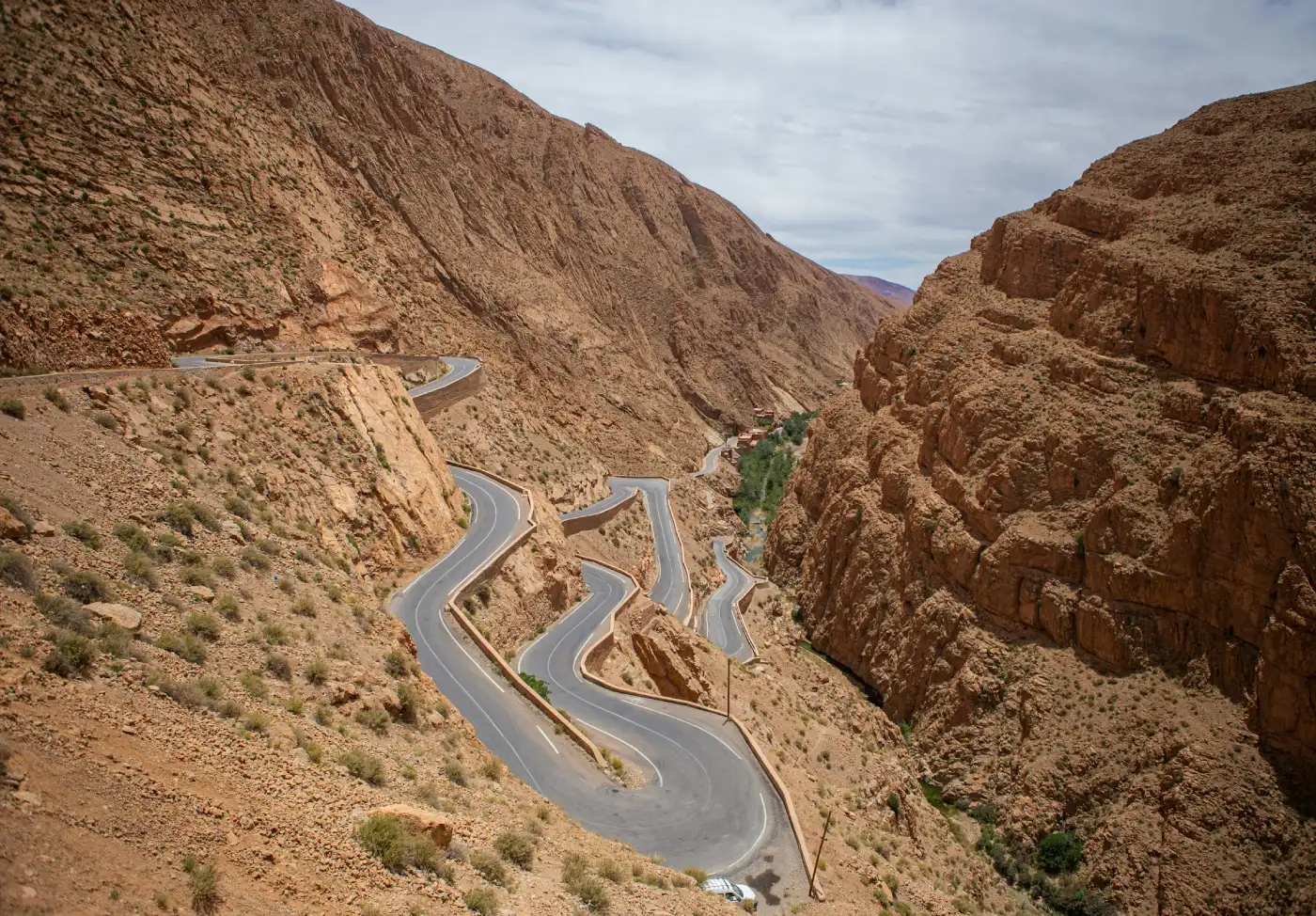
The winding road through Dades Gorge creates one of Morocco's most striking compositions. Sharp bends, layered rock formations and steep valley walls offer strong leading lines and a sense of scale.
Look for elevated viewpoints that reveal the road's curves. Softer morning or late-afternoon light can help define the mountain textures.
Photo Location 02
Blue streets and architectural details
Chefchaouen is especially appealing to photographers who enjoy color, patterns and intimate street scenes. Blue-painted walls, narrow stairways, decorated doors and small courtyards offer compositions around almost every corner.
Explore early in the morning for quieter streets and softer light. Be considerate when photographing homes and residents.
Photo Location 03
Dune patterns and desert light
The dunes near Merzouga offer a completely different photographic experience. Wind-shaped ridges, footprints, sweeping sand formations and changing shadows turn simple desert scenes into powerful images.
Low-angle sunlight can bring out dune textures. Protect your camera from blowing sand and allow time to explore different compositions.
Photo Location 04
Earthen architecture and timeless scenery
The historic ksar of Ait Ben Haddou stands out for its traditional earthen buildings, towers and hillside setting. Its warm colors blend naturally with the surrounding landscape, making it particularly rewarding for architectural photography.
Try both wide views of the settlement and closer compositions of its walls, passages and building details.
Photo Location 05
Craftsmanship, patterns and everyday life
Fes offers intricate architectural details, carved doors, traditional workshops and atmospheric lanes. It is a rewarding destination for photographers interested in heritage, texture and the visual character of Morocco's old cities.
Pay attention to doorways, geometric patterns and natural light entering narrow passages. Always ask before photographing people or private workshops.
Photo Location 06
Vibrant colors and urban compositions
Marrakech brings together lively souks, traditional architecture, gardens and rooftop perspectives. Its combination of movement, color and historic surroundings creates opportunities for travel and street photography.
Look for balanced compositions around tiled courtyards, market displays and rooftops. Respect photography rules at monuments and cultural sites.
Beyond a Standard Sightseeing Trip
Photographers often notice details that other travelers pass by: a shadow across an old doorway, a distant mountain ridge, or the way a road curves through the landscape.
When discussing a private tour, you can share your photography priorities so that suitable locations, possible stops and a realistic travel pace can be considered during itinerary planning.
Landscapes, architecture, street scenes, desert views or a combination.
Allow enough time to explore viewpoints and experiment with compositions.
Consider daylight hours, weather and practical travel distances.
Choose fewer destinations when spending more time photographing matters most.
Suggested Itineraries
These existing Morocco itineraries offer a starting point for travelers interested in photography. They are not automatically specialist photography workshops, but you can discuss your preferred locations and travel pace before booking.
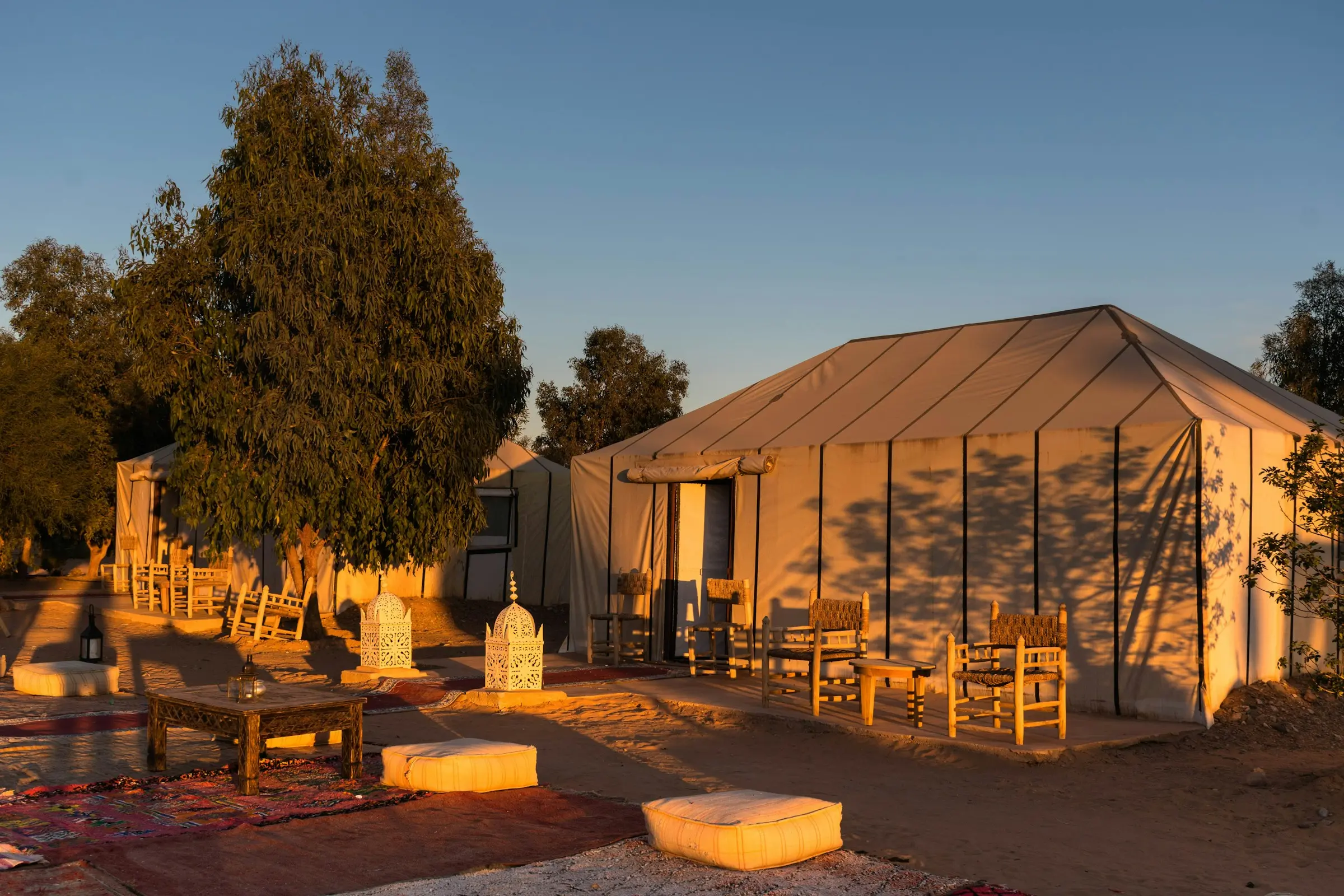
Best for desert and southern Morocco photography
A strong choice for photographers drawn to southern Morocco's contrasting landscapes, from mountain scenery and traditional kasbahs to the dunes near Merzouga.
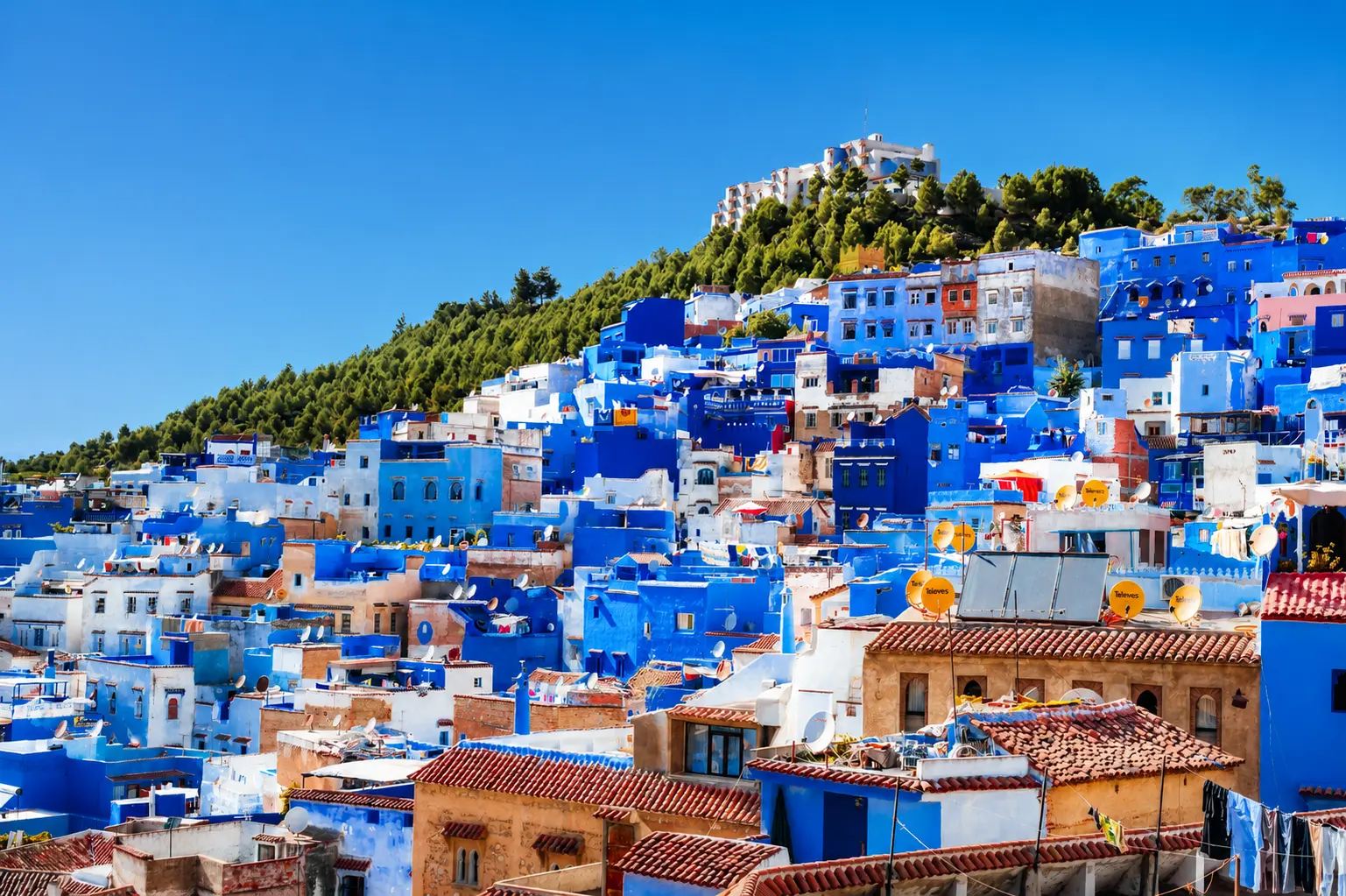
Best for varied landscapes and colorful cities
An appealing longer journey for travelers who want a broader photographic collection, combining Morocco's landscapes with the distinctive character of its historic destinations.
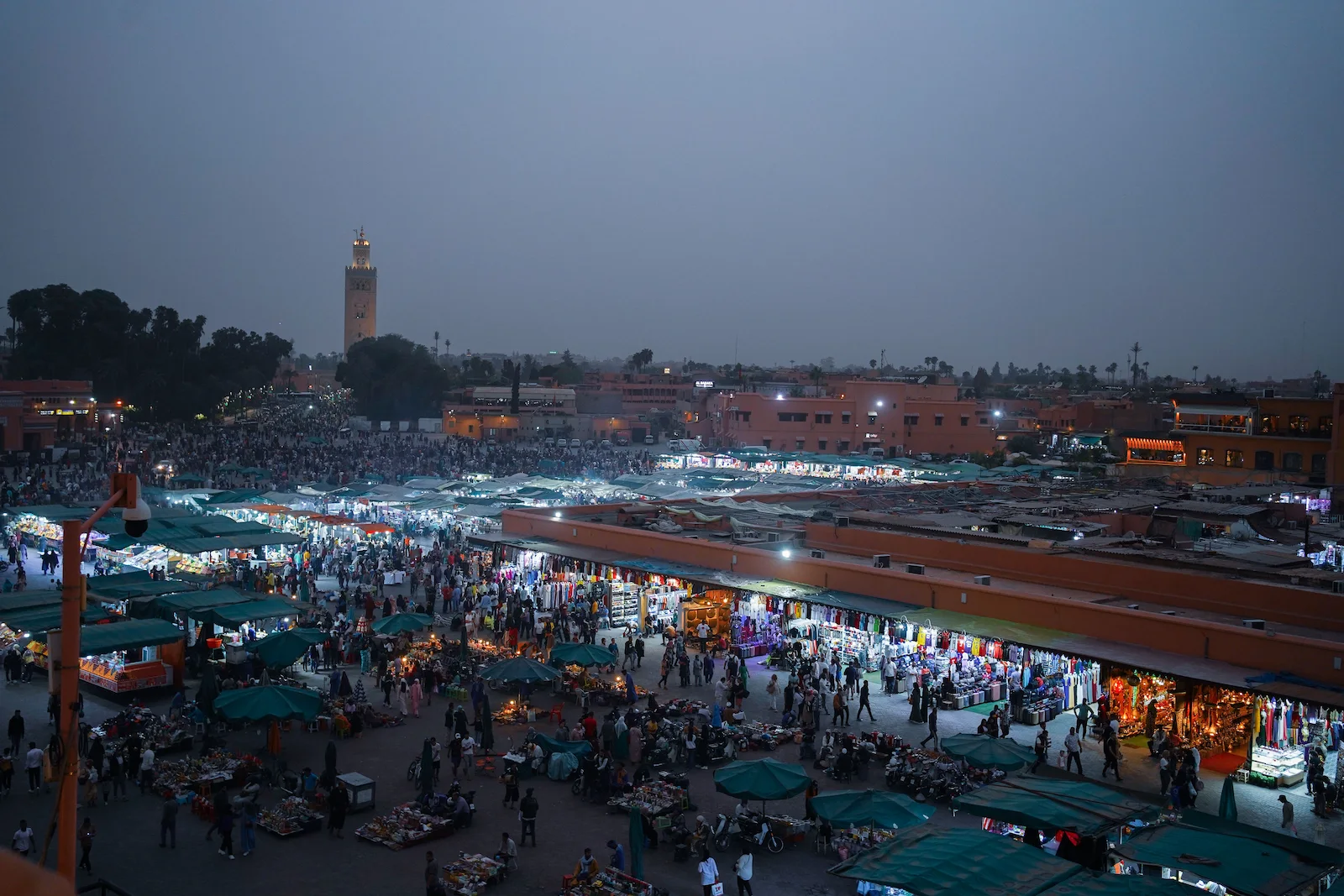
Best for a longer, more varied photography trip
A longer itinerary gives travelers more opportunities to experience Morocco's regional contrasts, from cultural landmarks to scenic roads and desert landscapes.
Photography highlights describe the visual appeal of these journeys. Review each tour's published itinerary for its actual stops, and confirm any requested photography-focused adjustments before booking.
A little preparation can help you enjoy the journey and make the most of the places you visit.
Weather, traffic and local conditions can affect the light and the time available at a viewpoint.
Carry a protective bag or cover for dusty roads and desert conditions, along with spare batteries and memory cards.
Ask permission before photographing people, avoid intrusive images and follow local photography rules.
Small architectural details, textures, reflections and quiet streets can be as rewarding as major landmarks.
Morocco's scenic destinations can be far apart. A comfortable itinerary often produces a more enjoyable photography experience.
Whether you prefer portraits, landscapes or architectural patterns, focus on subjects that genuinely interest you.
Popular photography destinations include Chefchaouen for blue architecture, Dades Gorge for mountain roads, Ait Ben Haddou for traditional earthen buildings, Fes for historic details and Merzouga for Sahara dune landscapes.
Spring and autumn are often comfortable choices for exploring several regions of Morocco. Winter can also offer beautiful light, although mountain areas may be cold. Summer can be extremely hot in desert regions, so seasonal conditions should be considered when planning.
You can contact Marrakech Sahara Excursion to discuss a private itinerary with photography interests in mind. The feasibility of particular stops, viewpoints and timing depends on the route, travel conditions and arrangements confirmed before departure.
No. Sunrise and sunset opportunities depend on the itinerary, weather, season, road conditions and confirmed arrangements. If a particular location or time is important, mention it when requesting your tour.
Not at all. Many of Morocco's landscapes and architectural details can be photographed with a smartphone. A camera with a versatile lens can offer more flexibility, but composition and light are just as important as equipment.
Always ask for permission before taking identifiable photographs of people, especially in markets, workshops and residential areas. Respect refusals, private spaces and any photography restrictions at attractions.
The suggested itineraries are travel tours, not automatically photography workshops. Professional instruction, specialist guiding or dedicated photography services should only be considered included if explicitly confirmed when booking.
A five-day trip can focus on selected southern landscapes, while ten to twelve days allow a broader range of destinations. Photographers who want longer stops at individual locations may prefer a more relaxed, customized schedule.